Future of Keyboard Boosts Productivity and Comfort Today
Published: 20 Mar 2026
If you feel slow typing speed, hand pain, or frustration while working, you are not alone. I faced the same issues when I used traditional keyboards for long hours, and it started to affect both my productivity and focus. That is why the future of keyboard matters so much today. Modern keyboards now focus on comfort, speed, and efficiency to solve these real problems.
From ergonomic designs to smart typing features, I have tested tools that actually reduce stress and improve performance over time. Many new keyboards also support wireless use, customization, and faster response, which makes daily tasks much easier. These improvements are changing the way we work and interact with devices.
In this article, we have covered how keyboards are evolving, what changes you can expect, and how these innovations can help you work better every day.
Evolution of Keyboard (Past → Present → Future)
The keyboard you use today did not reach this level by chance. I have worked with different types over time, and each stage shows a clear shift in speed, comfort, and functionality. This journey from simple typing tools to advanced systems creates real curiosity about what comes next.
Let’s explore how keyboards have evolved from the past to the future.
1. History of Keyboard
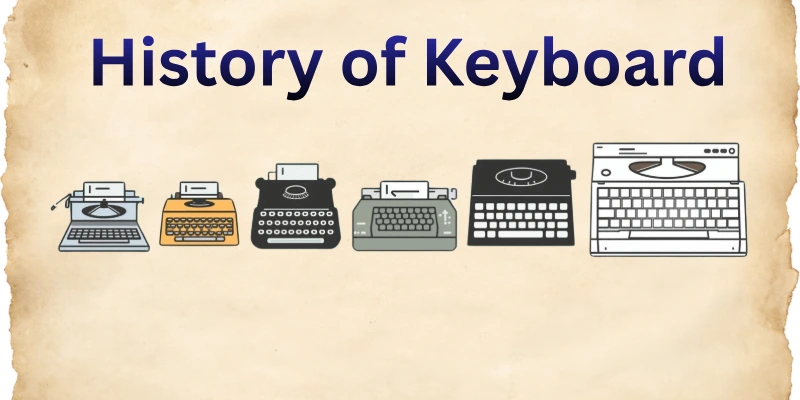
The keyboard has changed a lot over time, but its main purpose has always stayed the same. Early designs focused only on basic typing, while modern keyboards focus more on speed, comfort, and smart features. Each stage in its history shows how technology has improved step by step. Understanding this journey helps you see why today’s keyboards work the way they do.
Let’s explore the keyboard timeline from the past to the present.
- 1873 – Early Typewriters: The first keyboards appeared in typewriters, where each key controlled a mechanical arm to print letters on paper.
- 1878 – QWERTY Layout: Designers introduced the QWERTY layout to reduce key jams, which became the standard format still used today.
- 1930s – Electric Typewriters: Electric keyboards made typing faster and required less effort compared to mechanical typewriters.
- 1960s – Computer Keyboards: Keyboards were adapted for early computers, becoming the main method for digital input.
- 1980s – Membrane Design: Manufacturers introduced rubber membrane layers for softer and quieter key presses.
- 1990s – Mechanical Revival: Mechanical keyboards returned with improved tactile feedback and durability, preferred by professionals and gamers.
- 2000s – Wireless Technology: Keyboards moved to Bluetooth and wireless models, giving users more flexibility and freedom.
- 2010s-Present – Smart Features: Modern keyboards include backlighting, programmable keys, ergonomic designs, and advanced customization for comfort and speed.
2. Today’s Keyboards
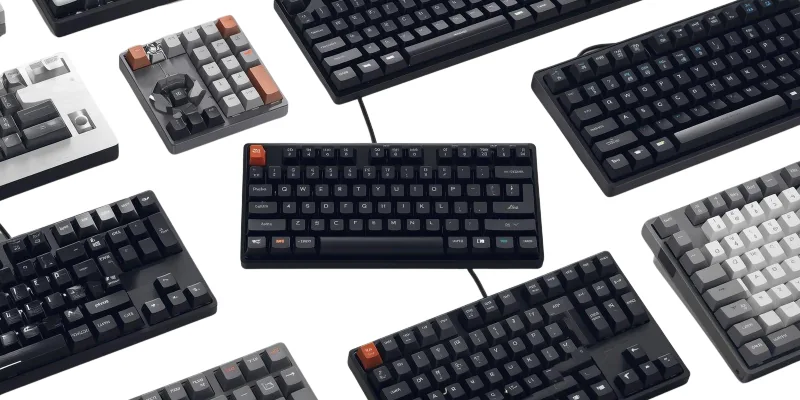
Modern keyboards are no longer just tools for typing letters. I have worked with many of them and noticed how they focus on speed, comfort, and functionality. From gaming setups to office use, today’s keyboards are designed to make work easier and typing more efficient. Every feature now serves a real purpose to improve the user experience.
Let’s look at the key features and trends of today’s keyboards.
- Ergonomic design: Many keyboards today focus on hand and wrist comfort to reduce fatigue during long typing sessions.
- Mechanical switches: Mechanical keyboards provide precise feedback and durability, making them popular among professionals and gamers.
- Wireless connectivity: Bluetooth and RF technology allow keyboards to work without cables, offering more flexibility and a cleaner workspace.
- Backlit keys: LED and RGB lighting help users see keys in low light and add a stylish touch to setups.
- Custom shortcuts: Programmable keys let users create shortcuts for faster work and improved productivity.
- Compact layouts: Smaller keyboards save desk space while still providing all essential functions.
- Quiet operation: Many modern keyboards use soft switches or membranes to reduce noise while typing.
- Smart integration: Some keyboards now include features for controlling devices, media, and even smart home functions directly from the keys.
3. Keyboards in the Future
Keyboards will continue to change in ways that make typing faster, easier, and more comfortable. I have tested early versions of new designs, and the improvements are exciting to see. Future keyboards will not just be tools for typing but will help users interact with devices in smarter ways. Technology will focus on personalization, speed, and convenience for every type of user.
Let’s explore the main trends and features we can expect in future keyboards.
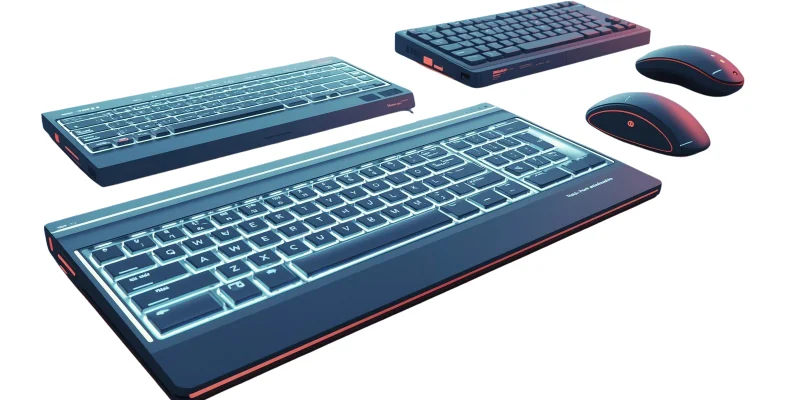
- Flexible designs: Keyboards will bend, fold, or roll to fit different spaces while remaining fully functional, allowing users to carry them easily or adjust their size for comfort and portability.
- Touch and gesture input: Many future models will combine traditional keys with touch-sensitive surfaces and motion gestures, letting users type, scroll, and control devices without moving their hands too much.
- Voice integration: Users will control keyboards and input text using voice commands alongside typing, which will speed up tasks and allow hands-free operation for multitasking or accessibility.
- Haptic feedback: Advanced tactile feedback will provide precise, responsive sensations for every key press, improving typing accuracy and making the experience feel more natural.
- Customizable layouts: Keyboards will allow users to fully reconfigure keys, shortcuts, and macros, enabling highly personalized setups for gaming, programming, or professional work.
- Health-focused features: Future keyboards may include sensors that track hand posture, typing pressure, and strain, helping users maintain comfort and reduce the risk of repetitive stress injuries.
- Augmented reality support: Keyboards may interact directly with AR or VR systems, letting users type or control virtual interfaces while experiencing immersive environments.
- Eco-friendly materials: Future keyboards will use sustainable plastics, recycled metals, or energy-efficient components, combining performance with environmental responsibility.
Key Factors Shaping Future Keyboards
Several important factors will define how keyboards evolve in the coming years. I have tested and observed emerging designs, and it is clear that speed, comfort, and technology integration are driving innovation.
Users now expect devices that do more than type; they want efficiency, personalization, and health-conscious features. Designers focus on creating tools that adapt to work, gaming, and creative needs. Understanding these key factors helps predict the direction of future keyboards and how they will change our daily interaction with technology.
Here are the main elements shaping the future of keyboards:
- Ergonomic improvements: Designers focus on hand and wrist comfort, creating keyboards that reduce fatigue and prevent strain during long typing sessions.
- Advanced materials: Future keyboards use lighter, stronger, and eco-friendly materials that improve durability while remaining sustainable.
- Wireless innovation: Wireless technology will continue to advance, offering longer battery life, faster connections, and more flexible placement.
- Smart integration: Keyboards will connect seamlessly with multiple devices, apps, and even smart home systems, providing a smoother workflow.
- Customizable features: Users can personalize layouts, key functions, macros, and lighting to match specific needs for work, gaming, or creativity.
- Adaptive feedback: Haptic and tactile responses will adjust dynamically, giving users a more natural typing experience across different tasks.
- AI-assisted typing: Predictive text, autocorrect, and adaptive learning will help users type faster and with fewer errors, without manual adjustments.
- Portable and compact designs: Keyboards will become more flexible, foldable, or modular, making them easier to carry while maintaining full functionality.
How Future Keyboard Will Transform Industries
Keyboards are no longer just typing tools. They are becoming essential for efficiency, creativity, and communication across industries. I have tested modern prototypes and watched companies adopt new designs that improve workflow and productivity.
In the future, keyboards will shape how businesses operate in offices, creative studios, and healthcare settings. They will allow faster input, smarter integration with devices, and more personalized experiences for every user. Understanding these transformations helps us see how industries will evolve alongside keyboard technology.
Here are the main ways future keyboards will transform industries:
- Office productivity: Smart keyboards will enable faster typing, programmable shortcuts, and multi-device control, making daily office tasks more efficient.
- Gaming and entertainment: Advanced keyboards will provide customizable keys, haptic feedback, and RGB lighting to enhance user experience and precision.
- Healthcare applications: Keyboards with ergonomic designs and health-monitoring sensors will help professionals reduce strain during long shifts.
- Creative industries: Designers, video editors, and programmers will benefit from keyboards with programmable macros, adaptive layouts, and responsive feedback.
- Education and learning: Interactive keyboards will support hybrid classrooms, adaptive typing lessons, and quick access to digital learning tools.
- Remote work flexibility: Wireless and foldable keyboards will allow professionals to work anywhere while maintaining productivity without bulky setups.
- Smart office integration: Keyboards will connect with IoT devices, software, and collaborative platforms, streamlining communication and automation in workplaces.

Benefits of Future Keyboards
Future keyboards will provide more than just a way to type. I have tried early models and seen how new designs make work faster, more comfortable, and more precise. These keyboards will improve productivity while reducing strain and frustration during long typing sessions.
They will also offer customization, smart integration, and health-conscious features for all types of users. Understanding these benefits helps us see why the next generation of keyboards will matter in daily life and work.
Here are the main benefits of future keyboards:
- Improved typing speed: Advanced key designs and responsive feedback will allow users to type faster with fewer errors.
- Enhanced comfort: Ergonomic layouts and adaptive support will reduce hand and wrist strain during extended use.
- Customizable layouts: Users can adjust key positions, shortcuts, and macros to match their personal work or gaming needs.
- Smart integration: Keyboards will connect seamlessly to multiple devices, software, and apps, making multitasking more efficient.
- Health monitoring: Some keyboards will include sensors to track hand posture and pressure, helping prevent repetitive strain injuries.
- Portable designs: Foldable, lightweight, or modular keyboards will make it easy to work anywhere without sacrificing functionality.
- Energy efficiency: Future keyboards will use low-power components and sustainable materials, reducing environmental impact while maintaining performance.
Limitations of Future Keyboards
Even as keyboards improve, they will face some limitations that users should be aware of. I have tested early prototypes and observed challenges that may affect usability, cost, and accessibility. Advanced features often require higher investment, and not every user will need all the innovations.
Some designs may also take time to become widely compatible with existing systems. Understanding these limitations helps users make informed choices when adopting new keyboard technology.
Here are the main limitations of future keyboards:
- Higher costs: Advanced materials, smart features, and ergonomic designs will increase the price compared to standard keyboards.
- Compatibility issues: Some future models may not work seamlessly with older devices or certain software applications.
- Learning curve: New input methods, touch gestures, or customizable layouts may require time for users to adapt.
- Battery dependency: Wireless or smart keyboards will rely on battery life, which may disrupt workflow if not managed properly.
- Durability concerns: Flexible, foldable, or modular designs may face wear and tear over time, affecting long-term reliability.
- Limited availability: Cutting-edge keyboards may initially be available only in certain regions or through specific vendors.
- Maintenance requirements: Advanced features and sensors may require regular updates or cleaning to maintain performance
How Society Can Prepare for the Future of Keyboards
As keyboards evolve, society will need to adapt to new technology and typing methods. I have observed how early adopters and organizations adjust to modern designs, and preparation makes the transition easier. Schools, workplaces, and individuals can benefit from learning about new features, ergonomic practices, and smart integrations.
Preparing ahead will help users take full advantage of advanced keyboards without facing frustration or inefficiency. Understanding these steps ensures that the shift to future keyboards is smooth, productive, and accessible for everyone.
Here are the main ways society can prepare for the future of keyboards:
- Education and training: Schools and institutions should teach proper typing techniques, ergonomic practices, and how to use programmable or adaptive keyboards.
- Awareness campaigns: Organizations can inform users about new keyboard features, benefits, and potential challenges to ensure smooth adoption.
- Workplace adaptation: Companies can provide advanced keyboards and train employees to improve productivity and reduce physical strain.
- Policy development: Industry standards and safety guidelines can help regulate ergonomic designs and technology integration.
- Research and testing: Continuous testing of new keyboard designs in different environments ensures usability and reliability for all users.
- Accessibility focus: Designers and organizations should ensure future keyboards accommodate people with disabilities and varying skill levels.
- Community feedback: Collecting user experiences and feedback helps manufacturers refine keyboards and meet real-world needs effectively.
Final Thought: Future of Keyboard
So, guys, in this guide, we have covered the future of the keyboard. We explored how keyboards have evolved, what innovations are coming, and how these changes will affect work, gaming, and daily life. I hope this guide helps you understand the trends and get ready to use smarter, faster, and more comfortable keyboards.
Thank you for reading carefully and following along; your interest means a lot. Don’t skip the next part of the FAQs. I hope you will find something more interesting, so don’t miss it. If you miss it, you may lose something new.
FAQS: Future of Keyboard
Let’s take a closer look at some important FAQs to better understand the future of the keyboard and discover helpful tips and insights for everyday use.
The future of keyboard technology focuses on faster typing, ergonomic designs, and smart integration. Keyboards will adapt to users’ needs with customizable layouts and advanced sensors. They will help improve productivity while reducing hand strain. New features will make typing more intuitive and efficient.
Keyboards will become more flexible, wireless, and smart over the next decade. Features like haptic feedback, gesture control, and AI-assisted typing will become common. They will support multiple devices and work in offices, gaming, and creative industries. This evolution will make keyboards more user-friendly and adaptable.
Yes, mechanical keyboards will remain popular because of their durability and tactile feedback. Gamers and professionals prefer them for accuracy and speed. Future designs may combine mechanical switches with ergonomic and smart features. This will make them more comfortable for long-term use.
Yes, many future keyboards will include gesture controls. Users can swipe, scroll, or execute commands without pressing traditional keys. This technology will make interaction more intuitive and reduce repetitive strain. It will also enhance gaming and creative work experiences.
AI will assist with predictive typing, autocorrect, and adaptive layouts. Keyboards will learn users’ typing patterns to improve accuracy and speed. Some keyboards may suggest shortcuts or automate repetitive tasks. This will make daily work more efficient and less stressful.
Future keyboards will use low-power components and energy-saving designs. Wireless models will last longer on a single charge. Sustainable materials will reduce environmental impact. Efficiency ensures performance without high energy costs.
Smart keyboards with predictive text, haptic feedback, and ergonomic layouts improve accuracy. Fewer errors mean less time spent correcting mistakes. Adaptive features adjust to individual typing styles. Accuracy improves for both work and creative tasks.



- Be Respectful
- Stay Relevant
- Stay Positive
- True Feedback
- Encourage Discussion
- Avoid Spamming
- No Fake News
- Don't Copy-Paste
- No Personal Attacks
- Be Respectful
- Stay Relevant
- Stay Positive
- True Feedback
- Encourage Discussion
- Avoid Spamming
- No Fake News
- Don't Copy-Paste
- No Personal Attacks
